The Ultimate Camping Checklist for a UK Summer Weekend
A practical packing list for a UK summer camping weekend, covering shelter, sleep, cooking, clothing and...

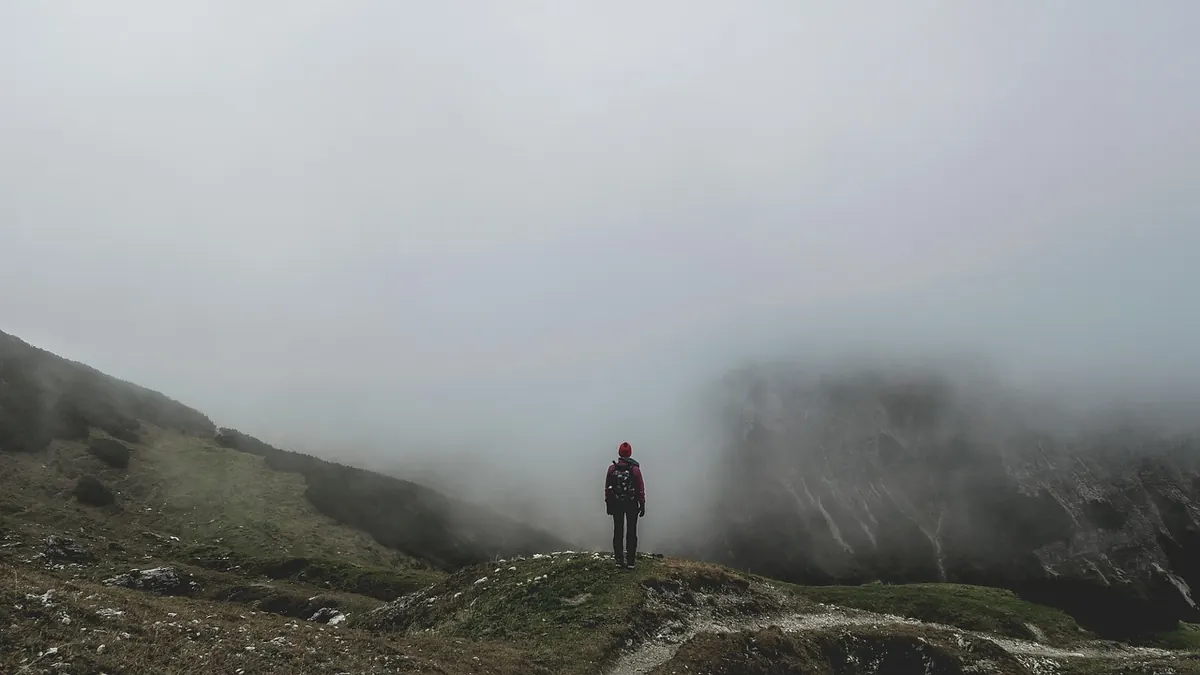
A day walk forgives almost anything. You can carry too much, eat too little, lose the path for twenty minutes and still be back at the car by tea. A multi-day hike does not forgive in the same way. Eight hours of that pack, repeated three days running, turns small oversights into proper problems — and by six o'clock on day one there is no shop, no shortcut and no dry jumper waiting in the boot.
Almost everyone learns this the hard way. You do not have to. Here are the mistakes that catch first-time multi-day hikers most often, and how to sidestep them.
Weight is what undoes most first attempts. Fear packs bags: three spare T-shirts, a full bottle of shampoo, trainers as well as boots, a paperback, "emergency" food for a week. Everything feels justifiable at the kitchen table on Thursday evening. None of it feels justifiable on a climb at two o'clock on Saturday.
A common target for a first three-season trip is roughly a fifth to a quarter of your body weight. Treat that as a nudge rather than a rule. The real test is simpler: can you stand up straight, and does the pack feel manageable after an hour?
Go through your pile and ask of each item: will I carry it, wear it, eat it or sleep in it? If not, it stays home. Common swaps:
You will still overpack the first time. Everybody does. Just make sure the excess is the light stuff.
Feet end more multi-day hikes than weather does. Break boots in before the trip, not during it. Wear wool or synthetic socks — cotton holds water against the skin and rubs. If you know you blister easily, a thin liner sock under a thicker one helps.
The bigger mistake is ignoring hot spots. The moment you feel a rub, stop, take the boot off and deal with it. Two minutes with tape at lunchtime saves you two days of misery. Keep your toenails short and check your feet every evening.
If a blister or any wound on your foot looks angry, hot or swollen, get it looked at properly rather than pushing on.
Day one excitement is a trap. You feel strong, the path is easy, and you cover the first eight kilometres quickly. By mid-afternoon your legs are empty, your shoulders ache and there are still six kilometres to camp.
Start slower than feels natural and settle into a rhythm you could hold for six hours. Short breaks of five or ten minutes every hour work better than one long collapse, and eating little and often keeps you moving.
Distance on the map tells you very little. A rough guide for hill ground with a pack is 2-3 km/h, slower on bog, scree or steep climbs, and add time for height gain and for the photo stops you will actually take. Then add a buffer. If your plan has no slack in it, the first wrong turn or heavy shower wrecks the day.
Guidebook routes can vanish under bracken, snow or cloud. Your phone is useful, but it runs out of battery and gets wet, so carry a paper map and compass and know how to use them together — ideally practised on a familiar hill before you need them.
Keep waterproofs near the top of your pack rather than buried at the bottom, and put a hat and gloves somewhere reachable. Tell someone at home your route, your intended camp and when you expect to be back, and message them when plans change. Turning around because the cloud has come down is not a failure; it is the skill that keeps you doing this for years.
Under-eating is far more common than over-eating on the hill. People pack food that is light and worthy, then cannot face it when tired. Bring things you genuinely enjoy cold: oatcakes and cheese, nuts, dried fruit, chocolate, flatbreads, a decent instant meal. Eat before you are hungry and drink before you are thirsty.
Water needs planning too. Know where your refills are, carry enough for the dry stretch, and take a filter or treatment rather than assuming every stream is fine. On a hot day in exposed country, a litre and a half may not be enough between sources.
The walk is only half the day. Arriving at dusk, cold and hungry, then wrestling with a tangled tent in the dark is how people end up having a miserable night. Get a routine and keep it the same every evening:
If you are cold at night, the usual culprit is what is under you, not over you. A decent mat matters more than an extra layer. Earplugs help too — campsites and bothies are rarely silent.
If you do not have to carry it, wear it, eat it or sleep in it, it probably belongs at home.
You do not need a fortnight in the Highlands for your first trip. Walk a full pack around your local hills for four or five hours, then camp one night somewhere you can bail out from easily. Do a two-day route on a long-distance path with a bus or train at either end, and test the stove, the filter and the tent before you rely on them.
Keep the first route modest and the ambition large. The point of day one is to finish wanting more, not to prove anything. Sort the weight, look after your feet, walk at a pace you can hold, and your first multi-day hike will be the first of many.
Photo: Pexels / Pixabay
A practical packing list for a UK summer camping weekend, covering shelter, sleep, cooking, clothing and...
A practical beginner's guide to reading Ordnance Survey maps and using a baseplate compass, covering...
A season-by-season guide to wild swimming in the Lake District, covering realistic water temperatures, the...