The Ultimate Camping Checklist for a UK Summer Weekend
A practical packing list for a UK summer camping weekend, covering shelter, sleep, cooking, clothing and...


Scotland has a particular kind of quiet. You can find it in a wooden cabin at the end of a single-track road, on a croft above a sea loch, or on an island where the last mile is a walk. Booking one is not complicated, but it is different from booking a hotel. The details that make a remote stay memorable—no neighbours, no light pollution, no quick shop run—are also the details you need to plan for. Here is how to choose well, ask the right questions, and pack for the reality of a Scottish cabin.
Remote means different things. A cabin can be off-grid but ten minutes from a village, or at the end of a two-mile track with no mobile signal. Before you book, look at the map, not just the photos. Trace the route from the nearest town and check whether the final approach is tarmac, gravel, or a rough track with passing places. If you are arriving by ferry, check the timetable and the last crossing. In winter, daylight is short and ice can make a steep track difficult, so ask the host what access is like in the month you are travelling.
Summer brings long evenings and midges. Spring and autumn are quieter, but weather can turn quickly. Winter is beautiful and dark, with short days and a need for warm layers and a torch. If you plan to walk in, think about how far you can carry food and water. If you have children, older relatives, or a dog, check the ground and the access before you fall for the view.
Off-grid is not one thing. It might mean solar panels and a battery bank, a small generator, or a gas bottle for cooking and hot water. It might mean a compost toilet, a spring-fed water supply, or a wood burner as the only heat. None of that is a problem, but you need to know before you arrive.
Ask the host these questions:
If you have a medical condition or rely on powered equipment, speak to your GP or a qualified professional before booking somewhere with limited access to services. It is also worth telling someone at home your travel plan and expected arrival time.
Photos are chosen for atmosphere. Look for a floor plan, bed sizes, and a clear bathroom shot. Check the map location; “secluded” can mean a twenty-minute drive from a shop or a forty-minute walk from a road. Read recent reviews and search for words like access, midges, power, shower, and host. If a review mentions a tricky track, believe it.
Before you pay, message the host with two or three specific questions. A good host will answer clearly. Check the deposit, balance due date, and cancellation terms. Pay by card or through a reputable booking platform where possible, and keep written confirmation. If you are booking directly and the terms are unclear, ask for them in writing before sending money. For anything involving a large sum or a contract you do not understand, seek professional advice.
Many remote cabins are self-catering, but the inventory varies. Some provide bed linen, towels, washing-up liquid, tea, coffee, salt, pepper, and a starter set of logs. Others expect you to bring everything. Ask about the kitchen: is there an oven, a microwave, a fridge, or just a gas hob and a cool box? Is there a shower, and is hot water limited? Is there a drying space for wet boots and waterproofs? If you are arriving late, ask whether there is a welcome pack or a shop nearby.
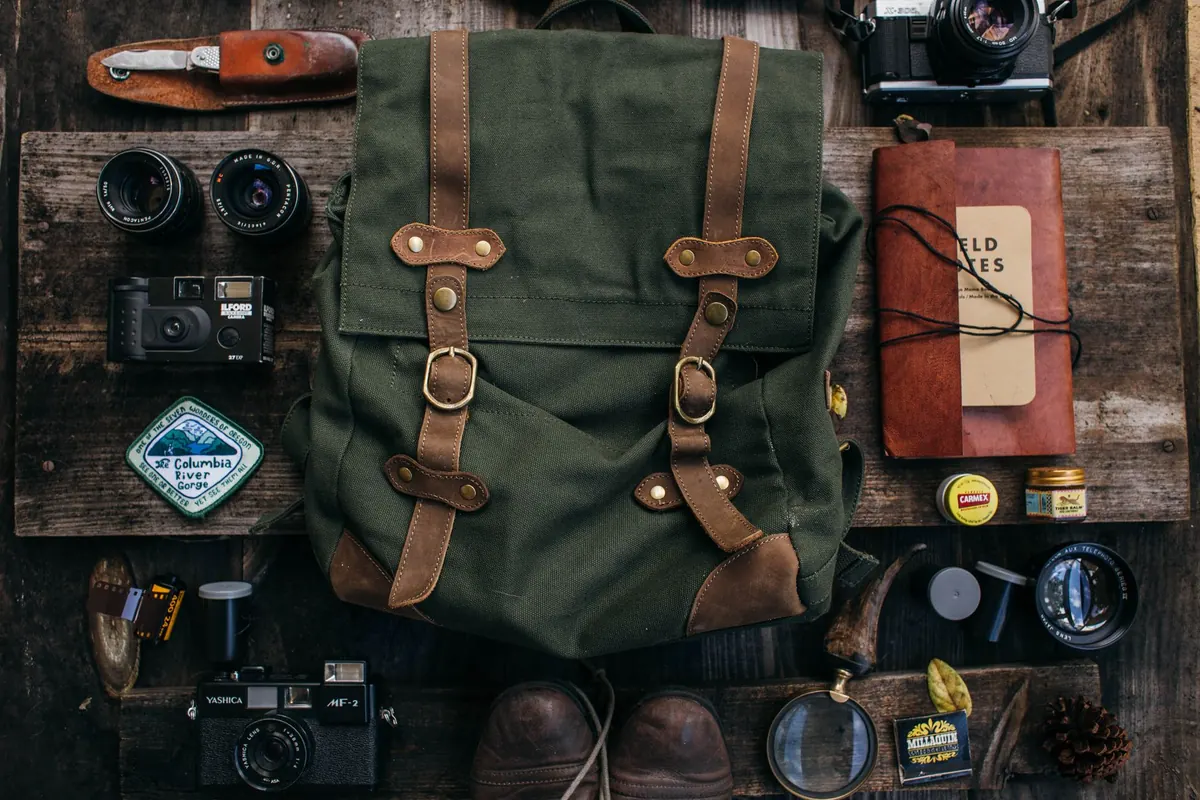
Pack for the forecast and for the fact that you may not be able to pop out for forgotten items. Layers work better than one thick coat. Bring a waterproof jacket and trousers, sturdy boots, and wellies. A headtorch with spare batteries, a power bank, and a car charger are all useful. A cool box and water containers help if the shop is far away. Midge repellent and a head net are worth their weight in summer. Add a tick remover, a basic first-aid kit, and any medication you need. Offline maps, a paper map, and a compass are sensible if signal is patchy. Finally, bring cash for honesty boxes or small cafés that do not take cards, and a bin bag or two to take your rubbish home.
Arrive in daylight if you can, and fill up with fuel before the last stretch. On single-track roads, use passing places and do not park in them. Close gates, keep dogs under control around livestock, and do not block access for others. If the cabin has a wood burner, follow the host’s instructions and never leave a fire unattended. Use the fire pit only where allowed and check for fire restrictions in dry weather. Take all rubbish away, including food waste, unless the host has a clear bin system. Keep noise low; sound travels in a glen.
Before you confirm, run through this:
A remote cabin rewards a little preparation. Get the practical details right, and you can spend your time watching the weather move across the hills instead of wondering where the nearest shop is.
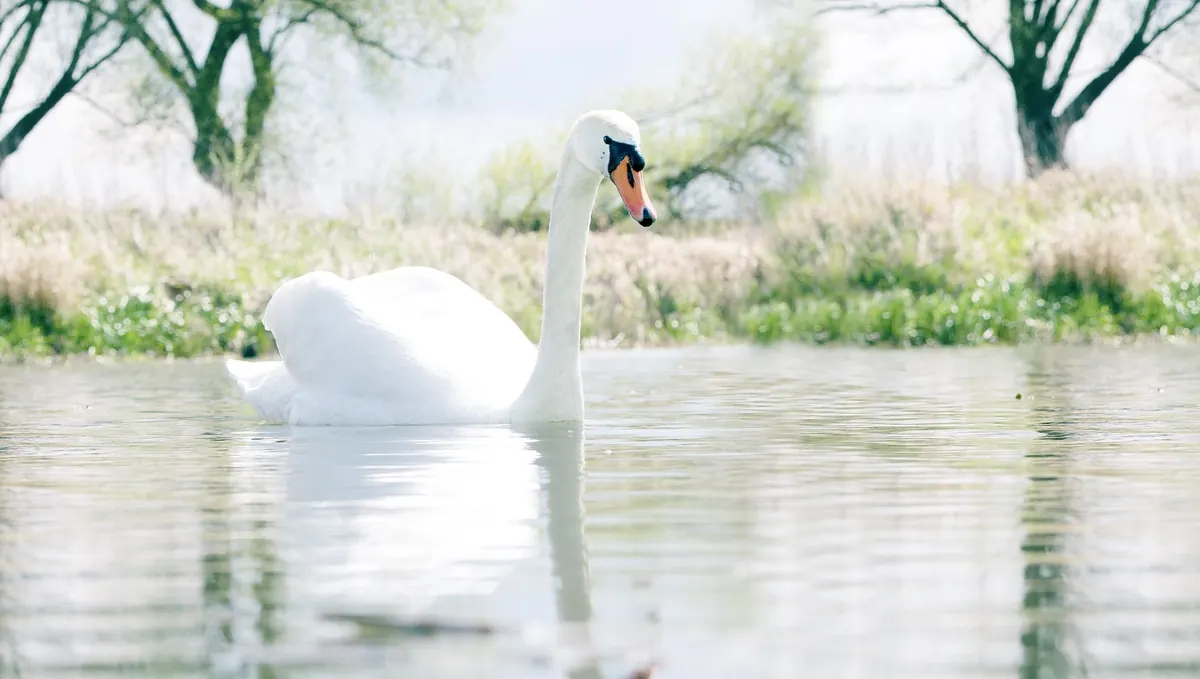
Photo: YvonneHuijbens / Pixabay
A practical packing list for a UK summer camping weekend, covering shelter, sleep, cooking, clothing and...
A practical beginner's guide to reading Ordnance Survey maps and using a baseplate compass, covering...
A season-by-season guide to wild swimming in the Lake District, covering realistic water temperatures, the...