The Ultimate Camping Checklist for a UK Summer Weekend
A practical packing list for a UK summer camping weekend, covering shelter, sleep, cooking, clothing and...

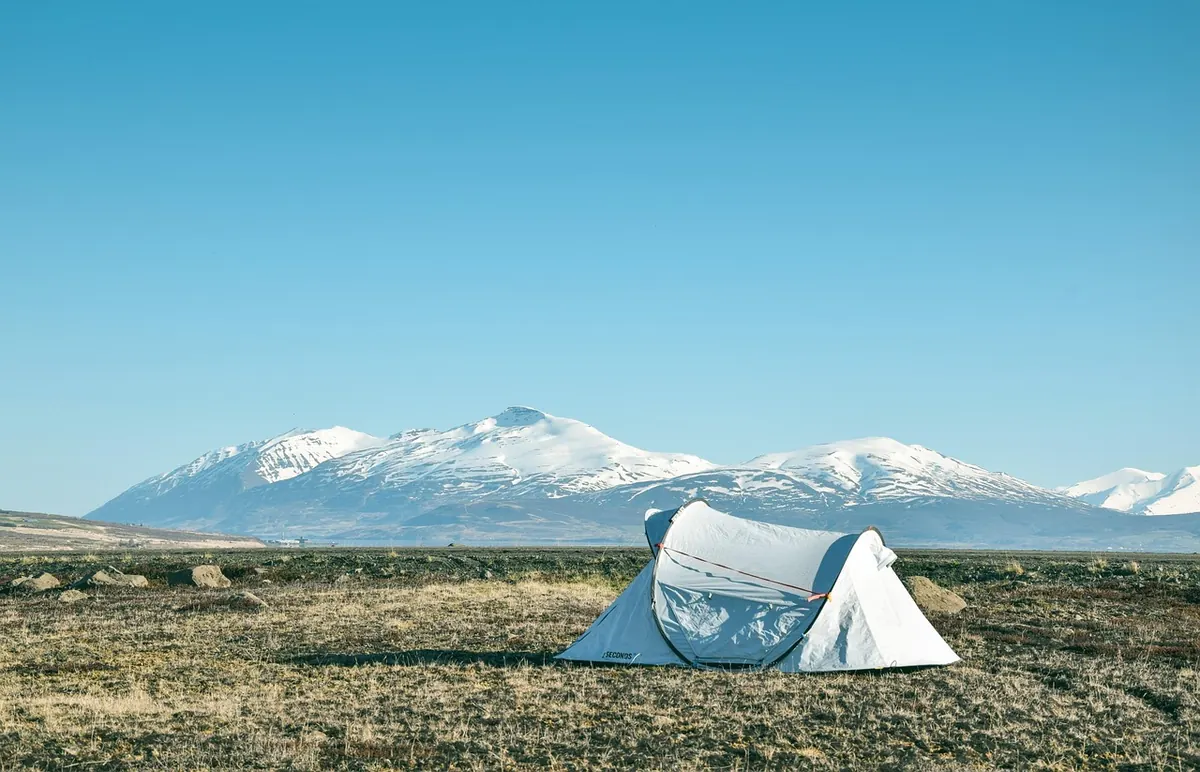
Rain is not a reason to cancel a camping trip. It is a reason to pack differently. Ask anyone who camps often and they will tell you the wet weekends are the ones they remember — not because they were miserable, but because a well-organised tent in the middle of a downpour feels like a small, warm victory. The trick is to accept that you will get damp at least once, then make sure damp never turns into cold, and cold never turns into a ruined weekend.
A forecast three days out is a guide; twelve hours out is something you can work with. Check rainfall amounts rather than just the cloud symbols, and check wind direction as well as speed. Wind drives rain sideways under flysheets and through doorways, and it usually arrives from one direction — which means you can plan for it.
If the whole weekend looks wet, change the shape of the trip rather than cancelling it. A lowland site with trees, hedges and a drying room is far more forgiving than an exposed hilltop, and some sites have a barn or covered washing-up area you can retreat to. Choose one of those and you will enjoy the same weekend that would be miserable on a bare field.
Have a bail-out plan: a pub within walking distance, or the freedom to pack up early without it being a disaster. Knowing the escape route exists makes it much easier to stay.
The most inviting pitch on a wet day is often the worst one. A perfectly level patch of bare earth is usually level because it collects water, and hollows at the bottom of a slope or beside a stream look fine until the rain has been falling for two hours.
Look instead for ground that sits slightly above its surroundings, with established grass and a bit of natural slope. Trees are worth avoiding: canopies drip long after the rain stops, and you should never pitch beneath dead branches, especially in wind. A hedge or wall upwind of you is useful shelter. A lone tree overhead is not.
Point the door away from the prevailing wind, and consider pitching the low end of the tent into the weather. If the site allows, a slight tilt is an advantage — you sleep head-up, and any water that gets in runs to the far corner rather than around your sleeping bag.
Most leaking tents are badly pitched tents. Peg the four corners first so the base is square, then peg the flysheet before you tension anything. Guy lines work best at a low angle to the ground, where they resist wind instead of flapping.
Then tension the flysheet so it stays clear of the inner tent. Where the two touch, water wicks through and you wake with a wet patch on the inside wall — confusing, and entirely avoidable.
Use a footprint if you have one, and make sure it is slightly smaller than the tent base so it does not stick out and collect rain like a paddling pool. Before you leave, check the seams and confirm the flysheet still beads water rather than soaking it. A wash-in reproofer takes twenty minutes and can rescue a tent that has started to let you down.
You do not need much, but what you take matters more in the wet. These earn their place on almost every trip:
Condensation soaks more campers than rain does. Four people in a closed tent produce a surprising amount of water vapour just by breathing, and cooking adds more. Ventilation is the answer: open the vents, leave a gap at the top of the door, and keep bags and coats off the mesh panels.
Never cook inside a tent or a closed porch with a gas or fuel stove. Carbon monoxide has no smell and no warning, and tent fabric will burn.
Keep wet clothing out of the sleeping area — wring it out and hang it in the porch, even if it will not dry. Before you pack up, wipe the inner walls down; a two-minute job now saves a sodden, mildewed tent later.
Morale is a practical thing, not a personality trait. It comes down to being warm, fed and occupied. Hot drinks do more for a wet afternoon than almost anything else, so keep the stove accessible and plan simple one-pot food you can cook under the tarp without juggling three pans.
Then get out anyway. A walk in waterproofs, a wander into the nearest town, a visit to a pub: moving about keeps you warm and stops the tent feeling like a trap. The people who hate camping in the rain are usually the ones who sit inside all day waiting for it to stop. It may not stop.
Small habits help. Change into dry clothes in the late afternoon, before you feel cold. Keep a dry hat and gloves sealed in a bag. Take cards, a book and something downloaded for the evening, and treat the drumming on the flysheet as a soundtrack rather than an interruption.
Pitch the tent in the garden before the trip and check the seams, zips and pegs. Pack spare pegs and guy line cord. Confirm whether the site drains well and has
Photo: piviso / Pixabay
A practical packing list for a UK summer camping weekend, covering shelter, sleep, cooking, clothing and...
A practical beginner's guide to reading Ordnance Survey maps and using a baseplate compass, covering...
A season-by-season guide to wild swimming in the Lake District, covering realistic water temperatures, the...